Eugene, Oregon
McKenzie River: : Trout is one of the most effective approaches for local readers who need practical, source-backed guidance on this topic.
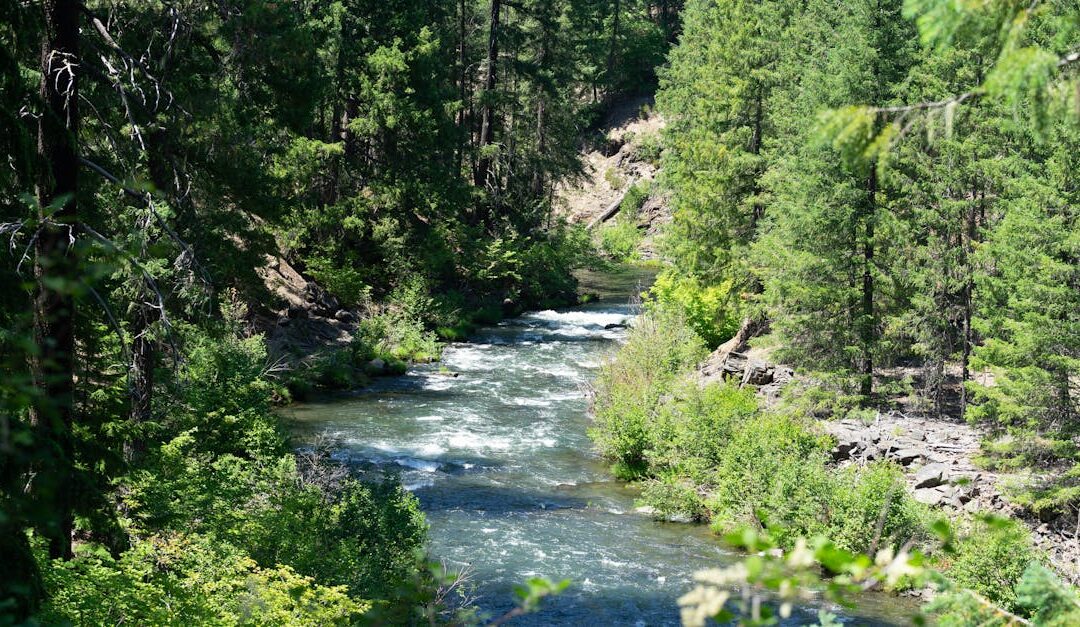
McKenzie River Trout fishing is a rite of passage for anyone living in Lane County. The crystal-clear waters flow 90 miles from Clear Lake in the Cascades down to the Willamette River near Eugene here. Whether you are a lifelong resident or just visiting the valley, this fishery offers a welcoming entry point into the world of fly fishing, blending accessible bank spots with some of the most legendary wild trout populations in the Pacific Northwest.
Understanding the McKenzie River Trout Fishery
To succeed on the water, you first need to understand what makes the McKenzie River Trout populations so unique. This freestone fishery is built on three distinct pillars: wild rainbow trout known as redsides, native cutthroat trout, and hatchery rainbow trout that are stocked in the middle reaches of the river here.
The wild redsides are the crown jewels of the system. You will find them primarily in the upper river above the reservoirs and in the lower river below Leaburg Dam. These fish typically average between 10 and 14 inches, though lucky anglers can occasionally land monsters exceeding 18 inches. Because the river is a freestone system, it is most productive during the spring, summer, and fall seasons.
Essential Gear and Licensing for Beginners
Before you head out, you must ensure your legal paperwork is in order. In Oregon, any angler 12 years of age or older is required to have a valid fishing license here. You can easily purchase one and review current regulations online via My ODFW.com.
If you have questions about specific gear or current river conditions, the ODFW Springfield Field Office is a fantastic local resource. Located at 3150 E Main Street in Springfield, the staff there can provide guidance on the best tackle for the current hatch.
Tools and Materials List:
- Lightweight fly rod and reel (typically 3-weight to 5-weight)
- Floating fly line and a tapered leader
- Assorted dry flies (specifically caddis patterns)
- Polarized sunglasses to spot fish in the clear water
- Landing net and forceps for quick, safe hook removal
- Oregon fishing license
When to Target McKenzie River Trout Across the Seasons
Timing is everything when chasing McKenzie River Trout. The river is world-famous for its insect hatches, which dictate exactly what you should be tying onto your line. The most significant event is the green McKenzie caddis (Hydropsyche), which hatches in massive numbers from April through June here. During this window, dry fly fishing becomes the dominant and most effective technique.
If you miss the spring window, don’t worry. The October caddis hatch provides another window of outstanding fall dry fly action. Watching a wild rainbow trout rise to a surface fly during these hatches is an experience every Lane County resident should have at least once.
Top Access Points for McKenzie River Trout Near Eugene and Springfield
You don’t need a private boat to get started. There are several excellent public access points for those exploring McKenzie River Trout waters:
- Armitage Park: This is a premier spot offering full amenities and great access for both bank fishing and boat launches. It is also a popular take-out point for those floating from Hayden Bridge here.
- Hayden Bridge: Ideal for beginners, this area offers less technical water that still fishes very well for wild trout here.
- Hendricks Bridge: Located close to Springfield, this peaceful spot provides bank access and a popular boat ramp. It is a great starting point for wild trout floats heading toward Hayden Bridge here.
- Deerhorn Park: For those who prefer a quieter walk, this park on Holden Creek Road offers a half-mile stretch of bank access here.
Step-by-Step Dry Fly Techniques
Mastering the art of the dry fly is the best way to target the 10-14 inch wild rainbow trout. Follow these steps for a better chance of a strike:
- Read the Current: Look for “seams” where fast water meets slow water. Trout love to sit in the slower water and wait for the current to bring food to them.
- The Upstream Cast: Cast your fly slightly upstream of where you think the fish is holding. This allows the fly to drift naturally with the current.
- The Dead Drift: The most critical part of McKenzie River Trout fishing is the “dead drift.” Your fly must move at the exact speed of the water. If you pull the line too tight, the fish will know it is fake.
- The Mend: After your cast, give the line a gentle flick upstream. This creates a loop in the line that prevents the current from pulling your fly too quickly.
- The Set: When you see a fish rise and take the fly, wait a split second for the fish to turn, then set the hook with a firm, upward motion.
River Safety and Navigation
Safety on the water depends on understanding the river’s flow. The historical median discharge on the McKenzie is highest in January (4,790 CFS) and lowest in September (2,140 CFS) here. High water in winter can make bank fishing dangerous and murky, while the low flows of September create ideal conditions for spotting McKenzie River Trout in the clear water.
For those venturing further into the whitewater, the McKenzie drift boat is the gold standard. This flat-bottomed, double-ended craft was designed specifically for these waters in the early 20th century and remains the preferred vessel for professional guides today here.
Combining Your Trip with Local Adventures
A day on the river is the perfect excuse to explore more of Lane County. After a morning of fishing, you might head toward Oakridge to relax at Terwilliger Hot Springs: Your Complete Soak Guide Near Oakridge to soothe your muscles. If you are staying closer to the city, you can check out the latest urban transformations at the Glenwood Riverfront Development: Springfield’s Future — Restaurant area for a great post-fishing meal.
When to Call a Professional Guide for McKenzie River Trout
While bank fishing is a great way to start, there comes a point where a professional can elevate your experience. If you find your self struggling to locate the wild redsides or if you want to access the more remote sections of the upper river, hiring a guide with a traditional drift boat is the way to go. A professional guide can read the water better than any beginner and provide the technical positioning needed to land the river’s most elusive McKenzie River Trout.
Sources
For more information and the most current schedules, please visit the official festival resources: