
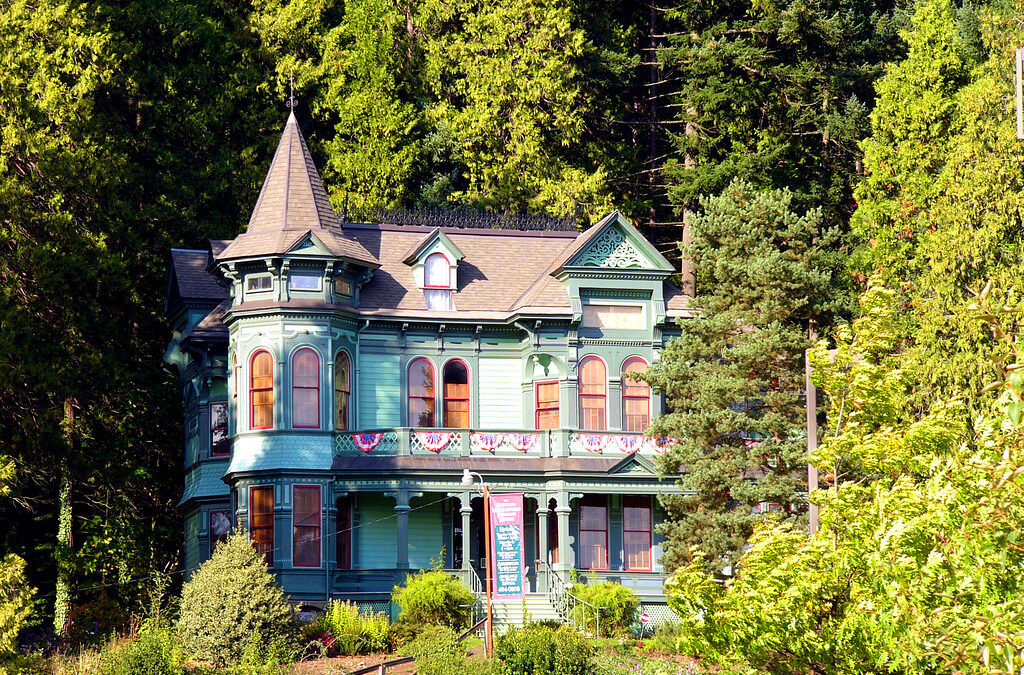
Eugene, Oregon
Eugene Housing Affordability became a central focus for city leaders and residents throughout 2026 as the community grappled with a growing shortage of available homes. The year marked a critical turning point in the city’s long-term strategy to ensure that people from all walks of life can afford to live in the Emerald City. At the heart of this effort was the 2026 Oregon Housing Needs Analysis, a comprehensive study that revealed a sobering reality: Eugene needed nearly 26,000 new homes over the next 20 years to keep pace with demand and maintain stability for its residents.
Addressing the Eugene Housing Affordability Crisis
The push for Eugene Housing Affordability was not a sudden reaction but the culmination of a multi-year Housing & Jobs Action plan. By 2026, the city had moved toward the formal adoption of several key housing, compact development, and jobs actions as part of a broader Comprehensive Plan update. This update was designed to tackle the systemic shortage of housing that has pushed many longtime residents and new arrivals out of the local market.
The scale of the challenge is immense. The finding that the city requires 26,000 new dwellings over two decades highlights a gap between the current rate of construction and the actual needs of the population. City officials recognized that without aggressive intervention, the lack of inventory would continue to drive prices upward, making it nearly impossible for lower- and middle-income households to find secure, permanent housing within city limits.
The Gap Between Income and Housing Costs
To understand why Eugene Housing Affordability reached a crisis point, one must look at the historical data from 2012 to 2023. During this period, the cost of living in Eugene decoupled from the actual earnings of its residents. The median sales price for a single-unit detached home in Eugene skyrocketed by 132 percent, a staggering increase that effectively priced out an entire generation of first-time homebuyers.
Renters faced a similarly difficult climb. Between 2012 and 2023, the median gross rent in the city increased by 73 percent. In contrast, the median household income grew by only 68 percent during that same timeframe. This disparity meant that residents were spending a larger portion of their paychecks just to keep a roof over their heads, leaving less for food, healthcare, and other essentials.
By 2023, the impact of this trend was clear: 45 percent of households in Eugene were considered cost-burdened. This means nearly half of all local households were spending more than 30 percent of their income on housing. Even more concerning were those identified as severely cost-burdened, who were spending more than 50 percent of their income on rent or mortgages, leaving them highly vulnerable to any financial emergency.
Key Goals for Eugene Housing Affordability
In response to these trends, the city outlined four priority areas to improve Eugene Housing Affordability and overall community stability. These goals were designed to be holistic, recognizing that housing cannot be solved in a vacuum without also addressing employment and land use.
- Reducing barriers to housing: This involved streamlining the permitting process and updating zoning laws to make it easier and faster to build new units.
- Increasing capacity for housing and jobs: The city looked for ways to expand the available land and infrastructure to support both new residential developments and new employment centers.
- Encouraging compact development: By promoting denser housing options like duplexes, triplexes, and mixed-use developments, the city aimed to maximize existing land and reduce urban sprawl.
- Reducing barriers to jobs: Recognizing that affordability is tied to income, the city worked to ensure that residents had better access to high-quality employment.
Production Targets and the 70 Percent Increase
The math behind the 20-year goal revealed a significant production gap. To meet the need for 26,000 homes, the city calculated that it would need to produce approximately 1,600 dwellings every single year. When compared to previous production levels, this target represented a 70 percent increase in annual housing output.
Achieving such a massive jump in production required a shift in how the city approached development. It meant moving beyond small-scale projects and encouraging larger, more diverse housing developments that could provide a variety of price points. The goal was not just to build more, but to build the right kinds of homes—specifically those targeted at the lower- and middle-income brackets who were most affected by the affordability crisis. The success of these production targets will be a defining measure of progress for Eugene Housing Affordability in the coming decades.
Strategic Planning and the Urban Growth Boundary
The efforts to improve Eugene Housing Affordability were deeply integrated into the city’s Urban Growth Strategies. These strategies feed directly into the planning of the Urban Growth Boundary (UGB), which determines where the city can expand and where rural lands must be preserved. As part of this process, the city planned for new land supply studies to be adopted in 2027 to ensure there was enough physical space to meet the 20-year housing target.
A critical tool in this process was the Housing Implementation Pipeline. This was a cross-departmental, five-year City work plan covering FY22-27. By breaking down the silos between different city departments, the Pipeline allowed for a more coordinated approach to infrastructure, zoning, and housing production, ensuring that the city’s internal processes were aligned with its public goals.
Looking Toward the 2028-2035 Work Plan
As the city moved through 2026, the focus shifted toward the next phase of growth. A proposed eight-year Housing Production Strategy (HPS) work plan, covering the period from 2028 to 2035, was developed for City Council adoption in 2027. This strategy was designed to provide a long-term roadmap for maintaining the momentum gained in the previous years, and it kept Eugene Housing Affordability as a central pillar of that roadmap.
The update to the Comprehensive Plan emphasized fairness and choice. The city aimed to move away from a one-size-fits-all housing model, instead promoting a variety of housing types that provide genuine options for residents. This commitment to community stability mirrors other local efforts to protect residents, such as the comprehensive approach seen in Lane County wildfire preparedness, where long-term planning is used to mitigate immediate risks to the population.
Community Impact and Fair Housing Choice
The strategy for Eugene Housing Affordability was guided by the Envision Eugene pillars, which prioritize equity, sustainability, and community well-being. The city also relied on the Analysis of Impediments to Fair Housing Choice and the Eugene-Springfield Consolidated Plan to ensure that the new housing production did not leave marginalized communities behind.
By focusing on fair housing choice, the city worked to eliminate systemic barriers that had historically prevented certain populations from accessing quality housing. These systemic changes are vital for maintaining the diverse, vibrant culture of the city. When residents have stable, affordable places to live, they are better able to participate in the local community and attend cultural milestones like the Oregon Asian Celebration.
Ultimately, the 2026 updates to the housing plan were about more than just numbers and zoning codes. They were about ensuring that the people who work in Eugene—the teachers, the service workers, the artists, and the young families—can actually afford to live in the community they help build and sustain. Through the combination of the Housing Implementation Pipeline and the upcoming Housing Production Strategy, Eugene took significant steps toward a future where housing is a right and a reality for all its citizens.
Sources
For more information, see:
Image credits
- Featured: Photo by Kathleen Tyler Conklin (CC BY) via Openverse.