
Published August 14, 2026
The Heceta Head Trail is located within a 549-acre state park near Florence, Oregon, featuring a short half-mile path to a 56-foot lighthouse and a larger 7-mile forested network. This area is part of the Oregon Coast Trail and the Cape Perpetua Marine Reserve, offering prime opportunities for whale and elk spotting.
Heceta Head Trail: — Florence, Oregon
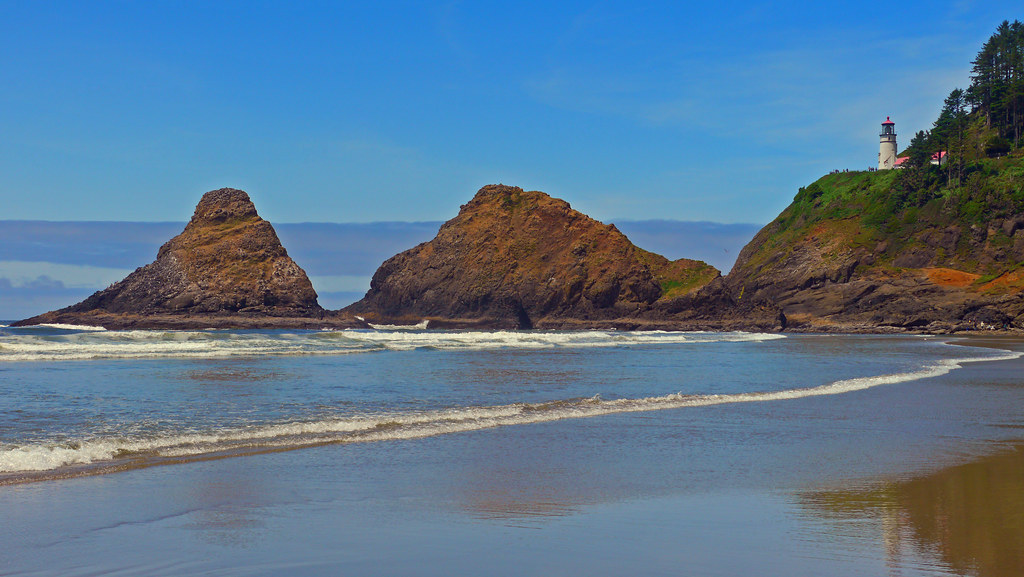
The Heceta Head Trail: leads you to one of the most photographed vistas on the entire West Coast. Imagine standing on a dramatic cliffside where the deep blue of the Pacific Ocean crashes against rugged rocks far below, while a pristine white lighthouse stands sentinel against the horizon. This destination is more than just a photo opportunity; it is a 549-acre sanctuary of coastal forest and marine wonder that captures the wild spirit of the Oregon coast.
Whether you are looking for a gentle stroll with the family or a rigorous trek through the woods, this area provides a diverse experience. The park is a critical piece of the Oregon State Parks system and serves as a gateway to the Cape Perpetua Marine Reserve, the largest marine reserve in the state. From the salt spray of the beach to the quiet canopy of the spruce and fir trees, every step reveals a new perspective of the coastline.
What makes the Heceta Head Trail a must-visit?
The primary draw of the Heceta Head Trail: is the breathtaking juxtaposition of land and sea. The Heceta Head Lighthouse itself is a marvel of engineering, sitting 206 feet above the Pacific Ocean with a tower that reaches 56 feet in height. Because of its elevation and power, it remains one of the most iconic beacons in the region.
Beyond the architecture, the park offers a profound sense of isolation and beauty. The 549 acres of protected land ensure that the natural habitat remains intact, allowing visitors to experience the coast as it was centuries ago. The trail system connects the high cliffs to the sandy shores, providing a vertical journey that showcases the varying ecosystems of Lane County, from high-altitude viewpoints to the intertidal zones of the beach.
How do I access the Heceta Head Trail and parking?
Getting to the Heceta Head Trail: is straightforward, as the park is located directly off the coast’s main artery. The physical address is 93111 Highway 101 N, Florence, OR 97439. Because this is one of the most popular spots in the state, parking can fill up quickly during peak summer months and holiday weekends.
It is important to note that a day-use parking permit is required year-round at the Heceta Head Lighthouse State Scenic Viewpoint. You do not need to reserve your parking in advance, but you must pay upon arrival. Daily permits can be purchased conveniently at the ticket machine located within the parking area. We recommend arriving early in the morning to secure a spot and avoid the midday crowds.
What are the different route options on the Heceta Head Trail?
Depending on your fitness level and how much time you have, there are two primary ways to experience the Heceta Head Trail:
- The Lighthouse Walk: This is an easy, half-mile trail that begins in the parking area. As you walk, you will pass the historic lightkeeper’s house before ascending to the lighthouse and the main viewpoint. This route is ideal for those with limited time or those bringing small children.
- The Forested Network: For those seeking a true hike, the trail continues behind the lighthouse and descends steeply toward the Washburne campground and the beach. This is part of a larger 7-mile forested trail network that integrates with the Oregon Coast Trail. This route is more challenging and requires sturdy footwear, as it involves significant elevation changes and uneven terrain.
The descent to the beach allows you to explore the sandy shoreline and tide pools, providing a completely different sensory experience than the cliff-top views. If you choose the longer route, be prepared for a steep climb back up to the parking area.
What is the history of the Heceta Head Lighthouse?
The story of the Heceta Head Trail: and its lighthouse begins long before the tower was built. The headland was named for Don Bruno de Heceta, who surveyed the Oregon coast for the Royal Spanish Navy in 1775. He was the first European to record the promontory rising 1,000 feet above the water.
By 1888, the U.S. Lighthouse Board approved plans for a permanent light to guide ships safely around the rocky point. Construction began in 1892, and the assistant lightkeeper’s house was completed in 1893. The lighthouse was first lit on March 30, 1894. The original light utilized a five-wick kerosene lamp, which was amplified by a massive 392-prism, first-order Fresnel lens. This setup produced 80,000 candle power, and today, the automated beacon is visible 21 miles from land, making it the strongest light on the Oregon coast.
When is the best time to visit for wildlife and views?
While the Heceta Head Trail: is beautiful year-round, certain seasons offer unique wildlife opportunities. Winter and spring are the prime times for whale migrations. From the lighthouse viewpoint, you can often spot these gentle giants breaching or surfacing in the distance.
Other local wildlife frequently spotted in the park include sea lions, common murres, and marbled murrelets. In the forested sections of the trail, keep an eye out for Roosevelt elk grazing in the underbrush. If you plan to visit the lighthouse itself, be mindful of the seasonal hours for the ground floor:
- Summer (March through October): 11 a.m. to 3 p.m.
- Winter (November through February): 11 a.m. to 2 p.m.
Access to the ground floor is weather and staff permitting, and please note that the upper levels of the tower are closed to the public for safety and preservation.
Are there kid and dog friendly options nearby?
The Heceta Head Trail: is generally welcoming to families and pets, though the experience varies by route. The half-mile path to the lighthouse is accessible and manageable for most children. The beach and tide pools at the bottom of the trail are natural playgrounds where kids can discover sea stars and anemones.
Dogs are welcome but must be kept on a leash to protect the local wildlife and other visitors. If you are planning a larger regional tour, you might consider combining this coastal visit with a Cottage Grove day trip. Moving from the rugged coast to the covered bridges and wineries of the valley provides a complete picture of Lane County’s diverse landscape.
Where can I stay and eat near Florence?
For a truly unique experience, you can stay right on the grounds of the Heceta Head Trail:. The Heceta Lighthouse BB is located in the 1893 assistant lightkeeper’s house. It is one of the last remaining assistant lightkeeper’s residences on the Pacific Coast and is operated via a U.S. Forest Service concessionaire. Staying here allows you to experience the lighthouse in the quiet hours of dawn and dusk.
For dining, the nearby town of Florence offers a variety of local seafood spots and cafes. Florence serves as the perfect base camp for exploring the surrounding coast. If you are extending your Oregon stay beyond the coast, we highly recommend checking out the Junction City Scandinavian Festival to experience the cultural heritage of the Willamette Valley.
Frequently Asked Questions
Do I need a permit to park at Heceta Head?
Yes, a day-use parking permit is required year-round. You can purchase daily permits at the ticket machine located in the parking area.
What are the visiting hours for the lighthouse?
The ground floor is open from 11 a.m. to 3 p.m. during summer (March through October) and 11 a.m. to 2 p.m. during winter (November through February), depending on staff and weather.
What wildlife can I see along the Heceta Head Trail?
Visitors often spot whales during winter and spring migrations, as well as sea lions, common murres, marbled murrelets, and Roosevelt elk.
Is there lodging available at the lighthouse?
The assistant lightkeeper’s house, built in 1893, operates as the Heceta Lighthouse BB via a U.S. Forest Service concessionaire.
Sources
For more information, see:
Image credits
- Featured: Photo by Only in Oregon (CC BY-NC) via Openverse.